






What Is a SWIFT Code? The Role of SWIFT Codes in International Money Transfers

In the banking and financial industry, a SWIFT code is a critical piece of information for international money transfers. It helps accurately identify the bank or financial institution responsible for processing a transaction. However, many people are still unfamiliar with what a SWIFT code is and why it is essential for international payments. This article explains the concept, structure, and importance of SWIFT codes for both individuals and businesses.
What Is a SWIFT Code?
A SWIFT code, also known as a BIC (Business Identifier Code), is a unique identifier used by the Society for Worldwide Interbank Financial Telecommunication (SWIFT) network to identify banks and financial institutions worldwide.
Each bank has its own unique SWIFT code, which is used for international payments, money transfers, and secure communication between financial institutions. Using the correct SWIFT code helps prevent errors and ensures transactions are processed efficiently.
Structure of a SWIFT Code
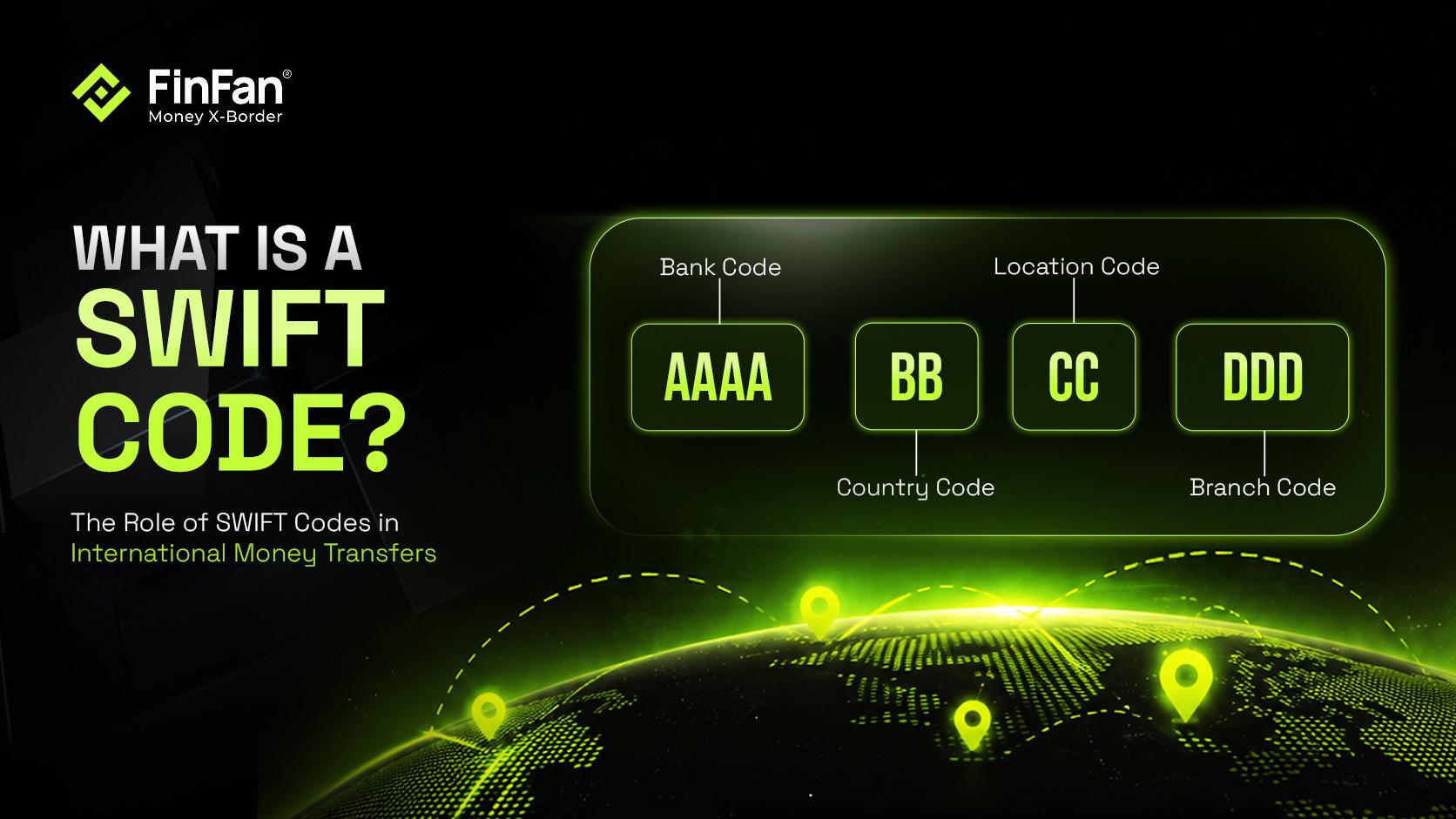
A SWIFT code consists of either 8 or 11 characters, with each section serving a specific purpose. Its structure is as follows:
- First 4 characters (AAAA): Bank Code – An abbreviated English name identifying the bank.
- Next 2 characters (BB): Country Code – The country code based on the ISO Alpha-2 standard (ISO 3166-1).
- Next 2 characters (CC): Location Code – Identifies the bank's location and may contain letters or numbers.
- Last 3 characters (DDD): Branch Code – Identifies a specific branch of the bank. This section is optional.
A SWIFT/BIC code accurately identifies the bank, country, and branch involved in a transaction. This is particularly important for international money transfers across different banking systems.
What Is the Purpose of a SWIFT Code?
Understanding the role of a SWIFT code enables businesses to manage cross-border transactions more effectively.
- Identify the Recipient Bank: For international transfers, a SWIFT code ensures that funds are routed to the correct bank, reducing the risk of sending money to the wrong institution.
- Standardize Financial Communication: SWIFT codes facilitate standardized communication between financial institutions, forming a critical foundation for global trade and cross-border financial operations.
- Support International Payments and Transfers: SWIFT codes make international payments more efficient and enable individuals and businesses to receive funds from overseas conveniently.
- Enhance Transaction Security: SWIFT codes improve the security of financial transactions. If an issue occurs during processing, the code helps banks identify, trace, and resolve the problem more efficiently.
When Do You Need a SWIFT Code?
Businesses and individuals typically need to provide a SWIFT code in a variety of situations.
For example, when receiving payments from overseas partners, sending money to an international bank account, or paying foreign suppliers, banks usually require both the recipient's account number and the recipient bank's SWIFT code.
In many cases, an incorrect or missing SWIFT code may result in processing delays or additional verification. Therefore, it is important to verify all banking information before confirming a transaction.
How to Find a Bank's SWIFT Code
There are several ways to find a SWIFT code quickly and accurately.
You can check your bank's official website, contact its customer service team, or refer to the account information provided when opening your bank account. Many banks also display their SWIFT code on account statements or within their digital banking apps.
When looking up a SWIFT code, businesses should always verify the information using official sources to ensure they use the correct code for the relevant bank or branch.
Frequently Asked Questions
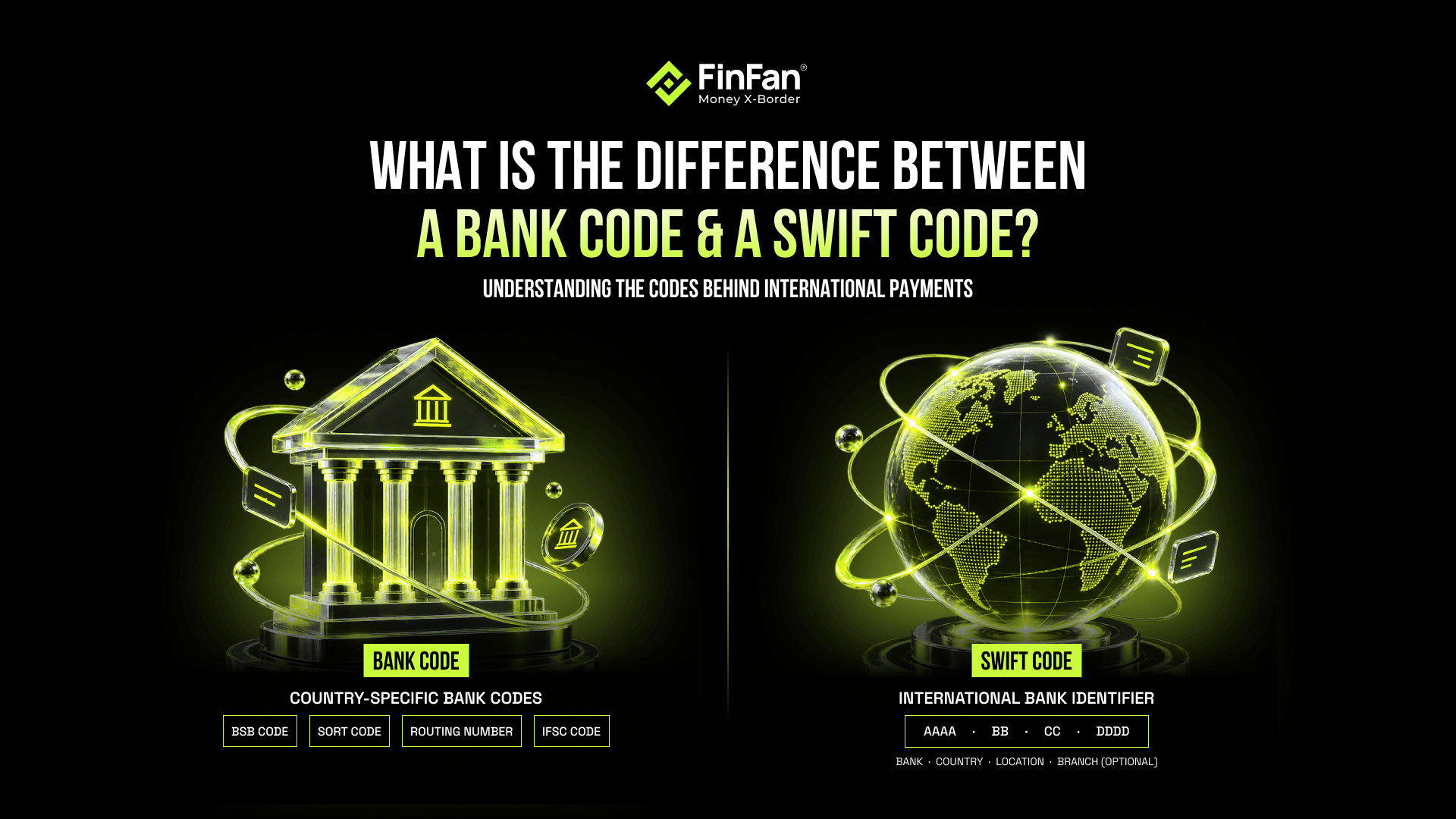
What Is the Difference Between a SWIFT Code and a Bank Code?
Bank Code: A Bank Code is used primarily for domestic banking transactions. It is not standardized internationally, and its format varies by country or region.
SWIFT Code: A SWIFT code is an internationally recognized bank identifier used for cross-border transactions. It follows a globally standardized format and generally remains unchanged throughout the bank's operations.
Read more: How to Look Up a SWIFT Code Quickly and Accurately
Is a SWIFT Code Required for International Transactions?
Yes. A SWIFT code is typically required when sending money internationally. In addition to the recipient's account details, the SWIFT code ensures that the transaction is routed accurately and processed efficiently. However, depending on the financial institution or payment network involved, other identification codes may also be required.
Do SWIFT Codes Change Frequently?
No. SWIFT codes are generally stable and do not change over time. They function as a bank's permanent address within the international financial system. A SWIFT code usually changes only in exceptional circumstances, such as mergers and acquisitions (M&A), corporate restructuring, or bank rebranding.
Conclusion
A SWIFT code serves as a bank's unique global identifier, ensuring the accuracy, security, and reliability of international financial transactions. Understanding what a SWIFT code is and how it works can help your cross-border payments be processed smoothly and securely while minimizing the risks associated with international fund transfers.
Contact FinFan today so our team will guide you to fast, secure financial solutions.
- Website: https://finfan.io
- Email: support@finfan.vn
- Phone: +84 2866.853.317

Dr. Tuyen Nguyen
Money Beyond Borders