






Receiving international payments for Vietnamese freelancers: Optimal cash flow solutions 2026

The freelancer market in Vietnam is entering a period of strong growth with individuals participating in cross-border projects. However, behind attractive contracts is a paradox: earning globally but receiving money is still full of barriers. This problem is not only technical, but also related to cost, speed and legality. In that context, understanding the cross-border payment ecosystem will help freelancers optimize cash flow and operate more efficiently.
Current status and barriers to international payment for Vietnamese freelancers
Currently, most Vietnamese freelancers are dependent on international intermediary payment platforms and traditional banking systems, and these methods have become the default standard for many years.
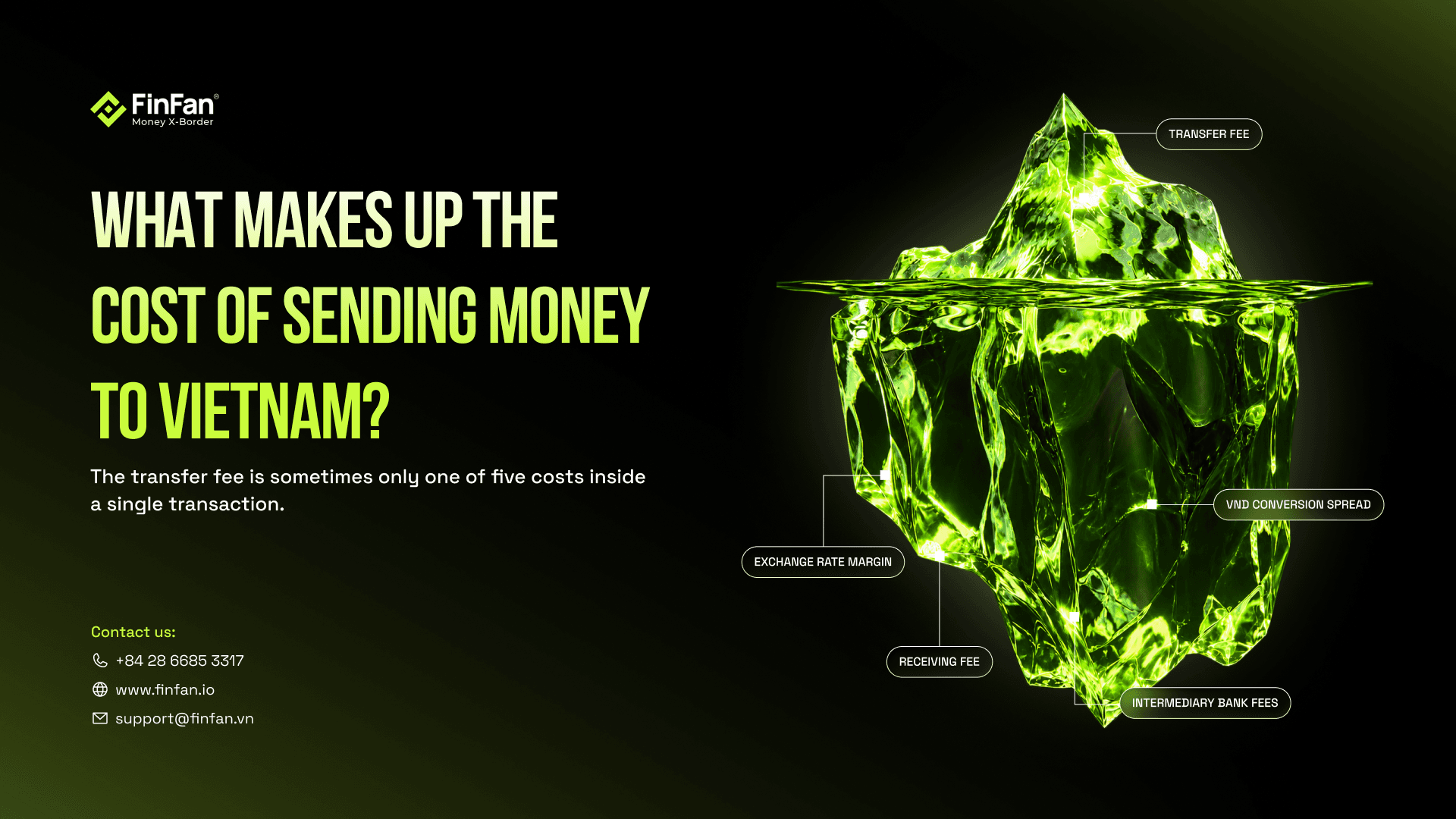
However, these methods have many bottlenecks. With international e-wallets, the cost lies not only in transaction fees but also hidden in exchange rate spreads (FX spread). This makes freelancers lose from a few percent to more than 10% of their income without realizing it clearly.
Meanwhile, international bank transfers via SWIFT face speed issues. Processing time often lasts from 3–5 business days, not to mention the "weekend troughs" that delay cash flow. For freelancers who need fast capital rotation to run projects, this is a significant risk.
A newer solution is multi-currency accounts; although proposed to increase transparency, this solution still cannot be implemented due to the legal framework being in the process of completion, along with limitations in integration capabilities and user experience in Vietnam.
"Trapped Capital" – The worry of professional Solopreneurs
For freelancers, cash flow is not just income but also "operating fuel". Delayed payments lead to a larger consequence: trapped capital.
In reality, many freelancers have to postpone projects, delay payments to partners or even miss business opportunities just because the money did not arrive in their account at the right time. This is especially evident in industries requiring upfront costs such as content production, video, or creative design.
The root cause lies in traditional payment infrastructure which operates during office hours and depends on many intermediary layers. When a transaction passes through multiple banks, each step creates latency and additional costs.
New trend: Financial technology redefines international payments
In recent years, the development of Fintech is gradually changing how cross-border cash flow operates. Instead of "moving money" in the traditional way, new systems focus on optimizing liquidity and shortening processing time.
One of the notable trends is the application of blockchain in the payment process. The ability to process transactions almost instantly on the blockchain will help improve the latency of traditional banking systems. Freelancers can receive money regardless of time or holidays.
Parallel to that, Fintech platforms are building domestic liquidity systems, allowing freelancers to receive advance pay (EWA - Earned Waged Assess). As a result, freelancers can receive money into their local accounts within only 24 hours, eliminating the situation of waiting for many days.
In addition, technologies such as smart contracts or AI automation are also beginning to be applied, helping to automate the payment process, reconciliation and cash flow management.
Legal pressure and the need for transparency
In addition to the technological factor, the legal environment in Vietnam is also changing rapidly. New regulations on cash flow management and tax are requiring freelancers to transparentize their income, especially with cross-border transactions.
Receiving money through unofficial channels or lacking clear documents can lead to tax and legal risks in the future. This makes the demand for "official", transparent and easy-to-control payment solutions increasingly urgent.
Today's freelancers are not just self-employed individuals; they are gradually becoming 'solopreneurs'—independent business owners. In this role, they require a more professional financial system to manage their cash flow.
A New Solution for Freelancers: Optimizing Speed, Cost, and Experience
As the market transforms, new-generation payment solutions are focusing on three core elements: speed, cost, and manageability.
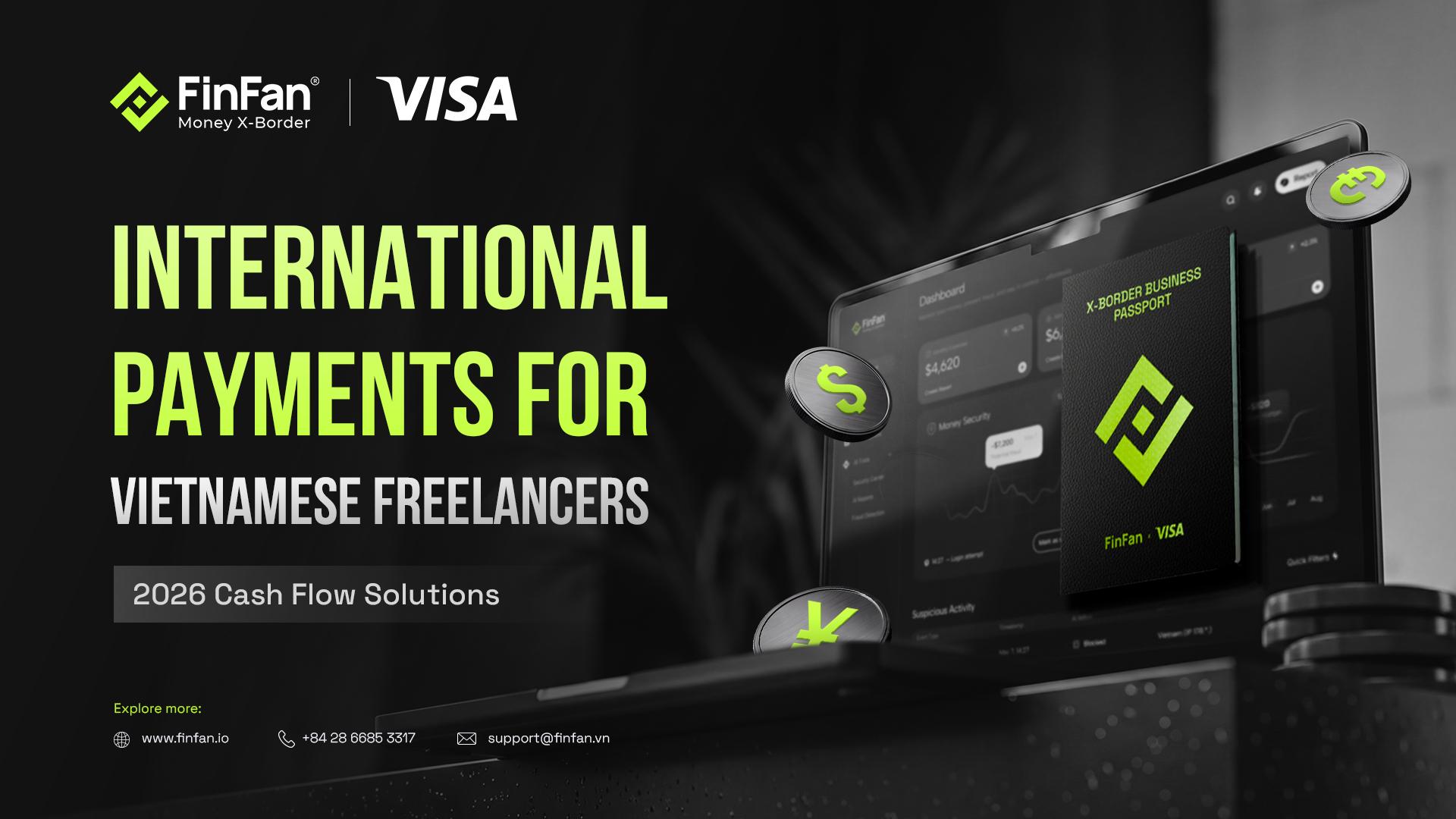
A typical example is the A solution for receiving international remittances directly to your domestic bank account via FinFan & Visa. - that helps freelancers easily and quickly receive international payments, then convert and transfer the funds back to Vietnam. Instead of being entirely dependent on SWIFT, this system leverages domestic payment methods in each country to shorten processing time and reduce costs.
Specifically, solutions like A solution for receiving international remittances directly to your domestic bank account via FinFan & Visa. combine a global payment network with local banking infrastructure, helping freelancers to:
- Receive payments from over 180 markets using familiar local methods
- Significantly reduce transaction fees and currency exchange spreads (FX spread)
- Shorten the payment reception time to 1-2 days
- Meet various needs on a single platform
Most notably, the transparency of the entire cash flow is ensured through a tracking system and the provision of standardized documentation, supporting freelancers to optimize related processes and operations.
The Future of International Payments for Vietnamese Freelancers
International payment is no longer a "mandatory cost" but is becoming a competitive advantage. Freelancers who optimize their cash flow will be able to scale their work faster, more flexibly, and more sustainably.
In the near future, the combination of Fintech, blockchain, and global payment networks will continue to reshape how freelancers receive money. Faster, cheaper, and more transparent solutions will gradually replace traditional methods.
For Vietnamese freelancers, this is not just a change in tools, but a transformation in personal financial management—moving from spontaneous to professional, from passive to proactive in the global cash flow.

Dr. Tuyen Nguyen
Money Beyond Borders